Roots of Remembrance
Part One of an America250 Family Chronicle (Gen 6-10)
Together, these five generations of my maternal family line represent more than 200 years of family continuity, carrying memory, land stewardship, hardship, faith, migration, education, and love across changing eras of American history.
Habberton School, District #026, Washington County, Arkansas (Gen 4)
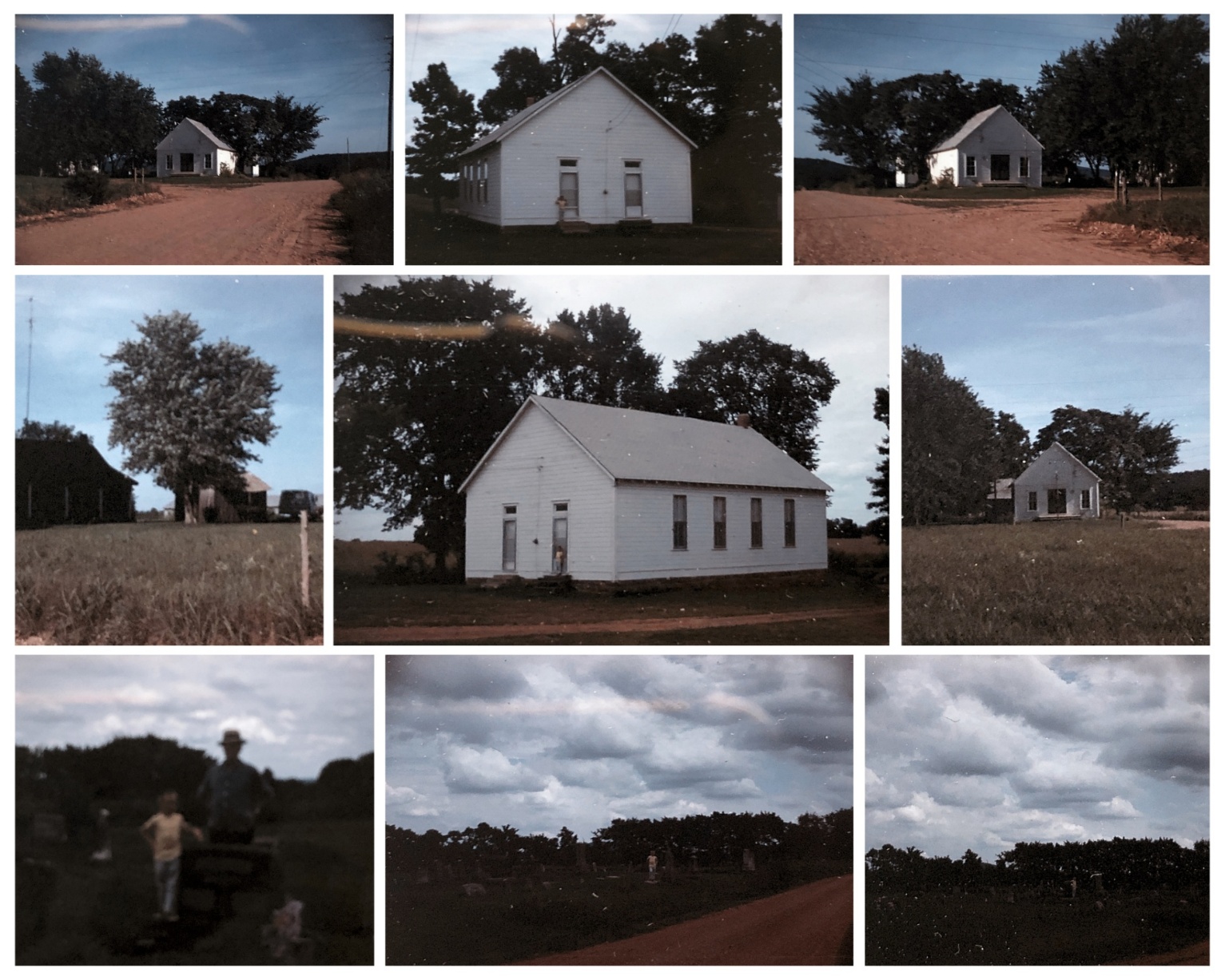 My great grandparents (Gen 4), Lillie Stone Stobaugh and her husband Francis Stobaugh, donated a portion of their land so a school could be built for their children and the children of the Habberton community, helping transform hardship into educational opportunity for future generations. The land was part of the original family acreage passed down through generations from Wesley T. Stone (Gen 6).
Across more than 250 years of American history, our family line journeyed from Quaker settlements in colonial Virginia to the Kentucky frontier, Arkansas farmland, and eventually Southern California. Through war, migration, faith, hardship, education, stewardship, and remembrance, each generation carried forward a living story that continues today.
Over the past couple of decades, I have been gathering journals, photographs, pension files, land records, cemetery records, public archives, oral histories, and memories passed through generations of our family. What began as genealogy slowly became something much deeper, a reflection on remembrance, migration, sacrifice, perseverance, family stewardship, and the enduring ties between land, memory, and love.
These generations lived through the American Revolution, westward migration, frontier settlement, the Civil War era, and the building of communities that still exist today. Along the way are stories of Quaker roots, Daniel Boone surveyed frontier lands, Revolutionary War patriots, Methodist ministers, frontier farmers, Cherokee family history, widows’ testimonies, family cemeteries, oral storytelling, and the continuation of land stewardship across more than 170 years.
The deeper I explored these records and stories, the more I began to understand how memory carries itself forward across generations, not only through documents and photographs, but through values, reflection, relationships, stewardship, synchronicities, and the invisible threads that continue to connect families across time.
Many of the stories shared here were preserved through journals, oral histories, public records, and the reflections of family members who cared enough to remember. The process of gathering and reflecting upon them over time has reinforced for me the importance of journaling, remembrance, preserving the stories that shape who we become, deepening understanding, and recognizing what we are able to transcend across generations.
Part One follows the Wright family line from colonial Virginia through Kentucky and Arkansas, concluding with Wesley T. Stone and Lucinda Rogers Stone, whose descendants continued caring for the Habberton land and cemetery into the present day.
Viewing Tip: For the best reading experience, expand the presentation to full screen mode.
America250 | Part 1 | See SlideShare PDF
Part Two of an America250 Family Chronicle (Gen 3-5)
Together, these three generations of my maternal family line represent about 160 years of family continuity, carrying memory, land stewardship, hardship, faith, migration, education, and love across changing eras of American history.
America250 | Part 2 | See SlideShare PDF
Part Three, The Rogers Family and the Life of Lucinda Rogers Stone
Cherokee Georgia, the Trail of Tears Era, Arkansas Migration, and the Lineage of Remembrance
Part Three continues the America250 maternal family chronicle through the Rogers (Gen 6-8) line, beginning with Catherine “Katie” Teague Rogers Pettit and Enoch Rogers, and carrying the story forward through John Rogers, Amy G. Adams Rogers, Lucinda Rogers Stone, and the James C. C. Rogers Cherokee citizenship case.
This section brings the Rogers family into the larger history of Cherokee Georgia, New Echota, the Georgia gold rush, the Treaty of New Echota, the Trail of Tears era, War of 1812 pension records, Arkansas migration, and the long struggle of descendants seeking recognition through Cherokee citizenship records.
Lucinda Rogers Stone stands at the center of this chapter. Through Lucinda, the Rogers line joins the Wesley T. Stone family story and carries Cherokee Georgia, removal era history, family memory, sworn testimony, and maternal remembrance into the Habberton land story.
This installment is shared as both family history and historical remembrance. It is intended to help our family, the Habberton community, and future generations understand the world our ancestors lived through, the choices they faced, and the records that preserved their story.
America250 | Part 3 | See SlideShare PDF
Viewing Tip: For the best reading experience, expand the presentation to full screen mode.
Part Four of an America250 Family Chronicle (Gen 2)
Frances Anderson and Richard Bylund (1935–Present)
This fourth installment of Roots of Remembrance: An America250 Family Chronicle follows my parents, Frances and Richard B. Bylund, whose lives reflect the post–World War II generation that helped shape modern Southern California.
Military service, faith, hard work, family traditions, community involvement, education, travel, and lifelong stewardship became the foundation upon which our family continued to grow. Their story preserves not only dates and events, but also the everyday moments that became lasting family memories—moments that quietly shaped the generations that followed.
As the chronicle moves closer to the present, history gradually becomes memory, and memory becomes lived experience.
America250 | Part 4 | See Slideshare PDF
Viewing Tip: For the best reading experience, expand the presentation to full screen mode.
Future geneaology installments will continue into:
• The Colonial Stone family line
• The Colonial Threkeld-Wright family line
In remembrance of the generations whose lives, sacrifices, perseverance, struggles, and love continue to shape our family story today.
Shared with love as a gift to my mother, our family, the Habberton community, and future generations.
With love and remembrance this Memorial Day,
Lynnea Bylund